Soil compaction is one of the quietest and most costly problems in modern farming. You cannot see it from the tractor cab, it leaves no obvious marks at first, yet it cuts water infiltration, limits root growth and trims yield year after year. Understanding why it happens, learning to spot it in time and knowing how to fix it is key to keeping a living, productive soil. This guide reviews the causes, the warning signs and the practical solutions.
What soil compaction is
A healthy soil is a balance of solid particles, water and air. Compaction happens when the particles are pressed together and the pores —the gaps through which air and water move— shrink. The result is a denser, harder soil in which roots meet a physical barrier and water moves with difficulty. One of its most common forms is the plough pan: a hardened layer that forms just below the depth worked season after season.
The most common causes
Compaction almost never has a single cause. It is usually the sum of several practices that, repeated over time, take their toll on the profile.
- Traffic on wet soil: running heavy machinery when the ground is full of water is the number-one cause.
- Weight and tyre pressure: high loads and high inflation pressures concentrate force on a small area.
- Always working at the same depth: this encourages the plough pan to form.
- Low organic matter: a soil poor in organic matter is less springy and compacts more easily.
- Few rotations and bare soil: without diverse roots to structure it, the profile loses stability.
How to detect it: signs in the field
The good news is that compaction leaves clues if you know where to look. A simple diagnosis in the field itself is worth more than any guess.
Visible signs
- Water that ponds and is slow to infiltrate after rain.
- Patches of crop with poorer emergence or weaker growth, often lining up with wheel tracks.
- Hard, compact clods that are difficult to break up.
- More run-off and erosion on slopes.
Diagnosis in the profile
Digging a small soil pit and looking at the soil at depth is the most reliable test. Check whether roots bend sideways on reaching a certain depth, whether there are harder layers and whether pores and earthworm channels are missing. A hand penetrometer gives a rough measure of resistance at different depths and pinpoints where the compacted layer begins.
The hidden cost of compaction
Beyond what you can see, compaction has an economic impact that often goes unnoticed. A soil that does not infiltrate well makes poorer use of rainfall and irrigation, which in dry years means water stress and lost yield. Roots that cannot go deep explore a smaller volume of soil and reach fewer nutrients, so the same fertilisation delivers less. On top of that comes higher fuel use when working hardened ground, and the risk of waterlogging and erosion. These are costs that do not show up on a single invoice, but they erode profitability season after season.
Solutions: fix it and, above all, prevent it
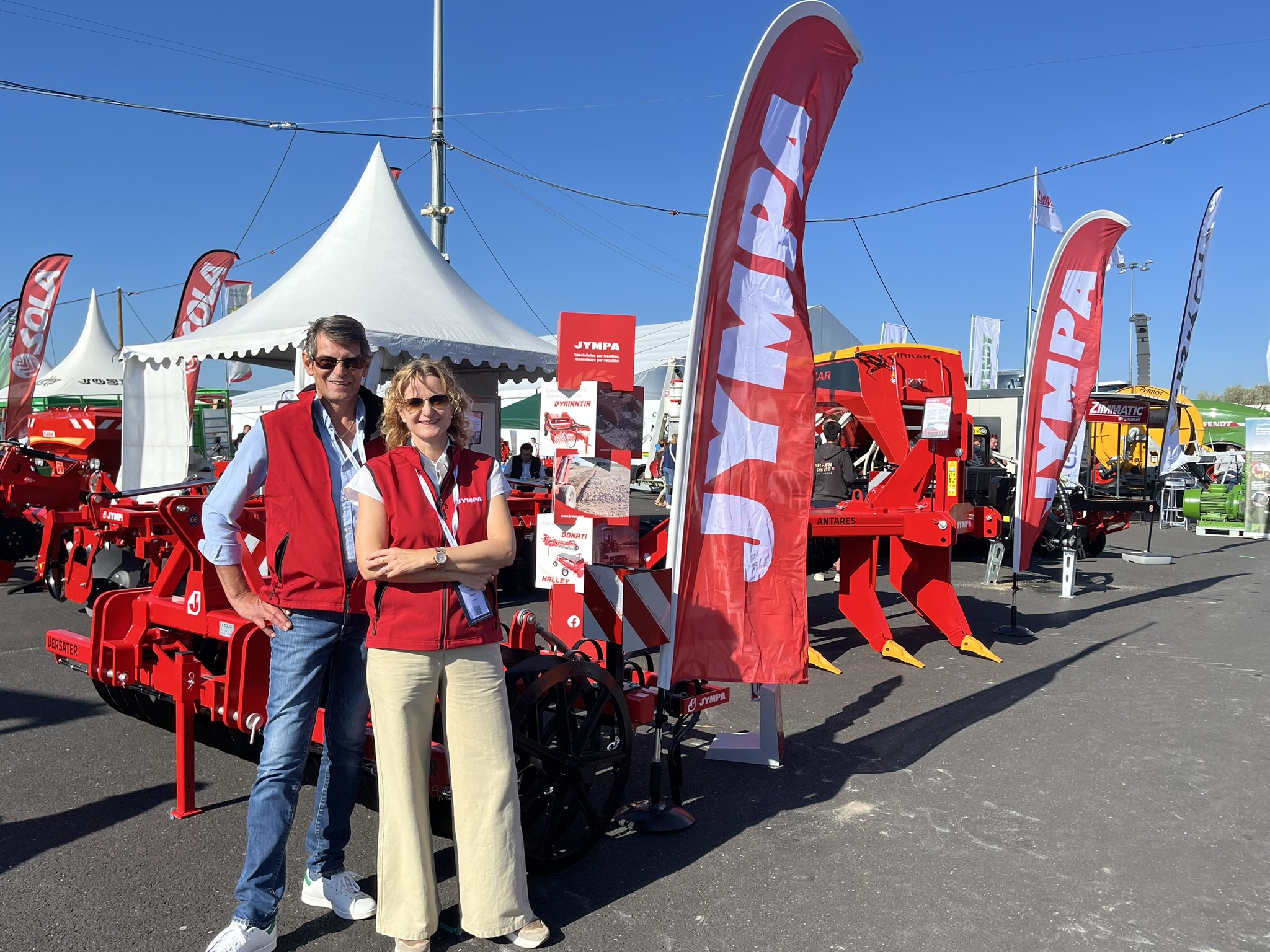
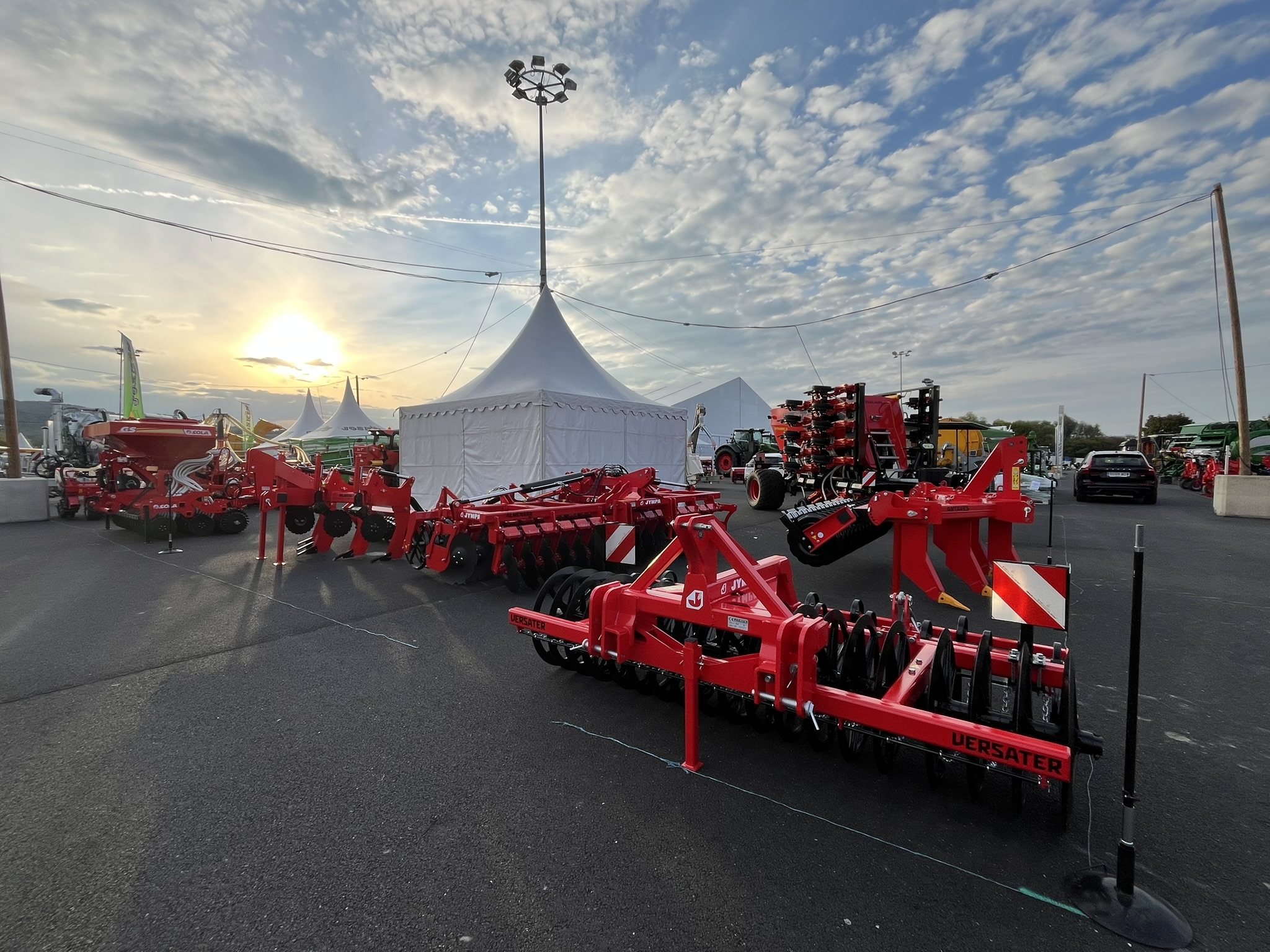
Once detected, deep compaction is corrected by fissuring the soil without turning it over. The reference implement is the subsoiler, which works below the hardened layer and cracks it to restore the movement of water and air. In the JYMPA subsoilers range you will find set-ups suited to different power and working depths. The key is to set the depth just below the pan and to work when the soil is dry enough to shatter rather than smear.
But fixing is not enough if you do not change the habits that caused the problem. A few preventive measures make a big long-term difference:
- Avoid running machinery on water-saturated soil.
- Lower inflation pressure and spread loads better.
- Vary the working depth so you do not always create the same pan.
- Build organic matter and keep the soil covered with rotations and cover crops.
Conclusion
Soil compaction is reversible, but preventing it costs far less than fixing it. Diagnose your field, act at depth where needed and adjust your practices so the problem does not come back. If you need to decompact, look over JYMPA’s subsoiler range and ask the technical team about the best option for your soils.